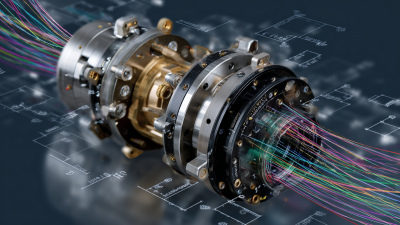
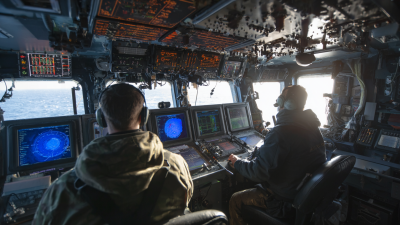
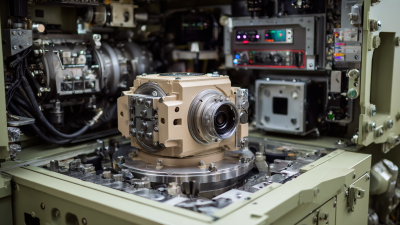
As our world keeps getting more complex and fast-paced, it’s no wonder that the need for advanced navigation tech is at an all-time high. Inertial Navigation Systems are really leading the charge in this whole revolution. Did you know the global inertial navigation market is expected to hit around $15.4 billion by 2025? That’s a pretty big jump, growing at about 8.5% annually since 2020. Companies like Poseidon International Group from Hong Kong, which started back in 2013, are playing a huge role in this shift. They focus on independent research, design, and making fiber optic gyroscopes (FOG) and high-tech inertial navigation systems (INS). With several patents under their belt, Poseidon isn’t just pushing the technology forward — they’re also tackling future challenges like autonomous vehicles and achieving super precise control systems. All in all, the future of Inertial Navigation Systems looks really promising. It’s all about making navigation more accurate and reliable across a ton of different industries — and honestly, that’s pretty exciting.
The Evolution of Inertial Navigation Systems: From Legacy to Modern Solutions
Lately, the way inertial navigation systems—INS for short—have been developing is pretty crucial when it comes to tackling today’s challenges across different fields. You know, as everyone’s craving faster, more reliable navigation tech, it’s really necessary to move away from those old-school systems and adopt the new, more advanced ones. In industries like finance and defense, upgrading navigation tech isn’t just a nice-to-have anymore—it’s basically a must if they want to stay competitive and run smoothly.
Take the financial world, for example. They’re pretty much stuck with legacy systems that limit their agility and slow down innovation. And then there’s the military side—deploying modern digital artillery fire control systems really highlights just how important cutting-edge inertial navigation is today. Companies like Poseidon International Group in Hong Kong are leading the charge here. They’re really focusing on fiber optic gyroscopes and autonomous systems, pushing the boundaries toward more reliable, accurate navigation tools. It’s all about building smarter, more efficient solutions that can handle whatever challenges the future might throw at us.
Overall, this shift towards better navigation tech is shaping up to be a game-changer, making things faster, safer, and way more adaptable in all sorts of industries.
Key Innovations Shaping the Future of Inertial Navigation Technology
The inertial navigation systems (INS) market in the U.S. is really looking up, with lots of excitement around new tech and rising demand from sectors like aerospace, auto, and consumer gadgets. If you’ve read recent industry reports, you’ll see they're forecasting the market to hit around $12 billion by 2027—pretty impressive! It’s also growing at a solid clip of about 8% CAGR over the next few years. Plus, recent global events like COVID-19 and the ongoing Russia-Ukraine conflict have clearly shown how crucial resilient navigation systems are, especially in tough environments.
What’s really shaping the future here are new tech innovations. For instance, the combination of MEMS (those tiny sensors you're probably heard of) and machine learning algorithms is making these systems more accurate while also shrinking their size and cutting costs.-components like accelerometers, gyroscopes, and magnetometers are constantly being upgraded, which means we’re heading toward super precise INS solutions. These advancements are especially important for things like self-driving cars, where reliable navigation isn’t just a perk—it's a must for safety and smooth operation. As smart driving tech keeps moving forward, it’s exciting to see how all these pieces come together to push the boundaries of what’s possible.
The Role of AI and Machine Learning in Enhancing Navigation Accuracy
You know, the way Artificial Intelligence (AI) and Machine Learning (ML) are coming into play is really changing the game for inertial navigation systems (INS). It’s pretty exciting because they’re making these systems way more accurate and reliable across different uses. Basically, AI algorithms can sift through tons of sensor data on the fly, which means better decision-making and the ability to adapt quickly—especially in tricky situations. Think about navigating through busy city streets or stormy weather when traditional methods might get a bit lost; that’s where AI really shines. And the cool part? These systems keep learning from their past trips, constantly updating and improving their positioning to get even more precise over time.
But it’s not just about accuracy, either. AI really plays well with advanced tech like fiber optic gyroscopes (FOG), which, by the way, are a specialty at Poseidon International Group. When AI gets involved, these systems can become more autonomous and efficient. For example, AI-powered setups can help self-driving cars or indoor robots figure out exactly where they are, even in complex, tight spaces—making sure they navigate safely and smoothly. As more industries start using AI-enhanced INS, we’re not just solving current navigation issues; we’re opening doors to all sorts of innovative uses in transportation, robotics, and beyond. It’s an exciting time for sure!
Challenges Facing Inertial Navigation Systems in Contemporary Applications
You know, the whole field of inertial navigation systems (INS) is actually facing quite a few hurdles these days, especially when it comes to modern uses like military tech and autonomous vehicles. As navigation tech keeps advancing at a rapid pace, there's a real surge in the need for systems that are reliable and tough enough to handle tough conditions. Take submarines, for example — integrating INS into these underwater platforms really shows how important it is for these systems to work well even when GPS signals are totally inaccessible. So, these environments bring their own set of challenges, like needing better accuracy and the ability to operate smoothly under complex, sometimes rough, conditions.
To get ahead of these challenges, we really need to keep innovating with sensor tech. Recently, some exciting developments focus on making gyroscopes that can endure harsh environments while still delivering high precision. And, on top of that, machine learning is starting to play a bigger role — offering new ways to enhance traditional navigation methods with adaptive algorithms that can make smarter decisions on the fly.
Quick tip: If you're designing new systems, try to keep resilience front and center — especially in places where GPS signals might be spotty or completely cut off. Jumping on new tech like optical gyroscopes and using advanced data processing can seriously boost how well inertial navigation works. By staying up-to-date with the latest trends and working together across different sectors, we can really push forward into the next generation of navigation solutions.
Future Trends: Integrating Inertial Systems with Other Navigation Technologies
You know, bringing together inertial navigation systems (INS) with other tech is pretty much essential if we wanna tackle the tricky challenges lying ahead. As demands for super-accurate navigation grow—think aerospace, self-driving cars, and all that—the U.S. market for inertial measurement units (IMUs) is really expected to take off. We're seeing a clear trend toward smarter sensor fusion methods that make navigation more reliable and precise, especially in places where GPS signals might be sketchy or just not available.
If you're looking into buying inertial navigation gear, it's worth paying close attention to what’s inside—stuff like accelerometers, gyroscopes, and magnetometers. Picking systems with the latest mechanical gyroscopes can seriously boost how well they perform across different uses. Plus, you should keep an eye on research from folks like Wang Wei, who’s working on micro-systems for guidance, navigation, and control (GNC). His work shows some pretty exciting potential for creating navigation solutions that are tough, independent, and don’t rely solely on external signals.
Given all the mess happening worldwide—like the pandemic and geopolitical tensions—having robust, reliable navigation systems isn’t just a luxury anymore. Combining inertial tech with other systems helps reduce the risks caused by disruptions and makes navigation apps and tools much more dependable when it really counts. Staying on top of these emerging trends is going to be huge for anyone serious about staying ahead in the fast-changing world of navigation tech.
Real-World Applications: How Advanced Inertial Navigation is Transforming Industries
Lately, advanced inertial navigation systems—yeah, the really high-tech ones—have been shaking things up across a bunch of industries. They’re pretty much changing the game when it comes to how we navigate and figure out our position, especially in tricky spots where GPS might not cut it. These systems use the latest tech to give us accurate and dependable guidance, even in environments where signals can go wonky. That’s why they’re becoming such a big deal in sectors like aerospace, maritime, and especially with autonomous vehicles. It’s kind of exciting because it means safer, smoother operations and opens up all kinds of new possibilities.
On the flip side, if you look at what’s happening in China, local companies are really doubling down on building complete value chains—covering everything from research to manufacturing and support services. It’s not just about making them more competitive; it’s also about positioning China as a major player on the global stage with these advanced navigation techs. Their huge industrial supply chains give them a serious edge when it comes to innovating and expanding how INS can be used in real-world situations. Thanks to all this, industries can expect better accuracy and a fresh way of tackling operational challenges—pretty cool, right?
The Future of Inertial Nav Systems: Revolutionizing Navigation Technology for Tomorrow's Challenges
| Industry |
Real-World Application |
Current Technology |
Challenges Addressed |
Future Trends |
| Aerospace |
Flight Navigation Systems |
Fiber Optic Gyroscopes |
Latency and Signal Interference |
Integration with AI and Machine Learning |
| Maritime |
Autonomous Vessel Navigation |
MEMS Inertial Sensors |
Environmental Factors |
Optimization of Route Planning |
| Automotive |
Self-Driving Car Navigation |
Combined GPS and Inertial Systems |
Signal Loss in Urban Areas |
Enhanced Sensor Fusion Techniques |
| Defense |
Guidance Systems for Missiles |
Strapdown Inertial Systems |
High-Speed Maneuvering |
Miniaturization and Cost Reduction |
| Robotics |
Navigation in Unstructured Environments |
Inertial Measurement Units (IMUs) |
Dynamic Obstacles |
Adaptive Algorithms for Terrain Response |
Exploring the Future of UAV Navigation: The Advantages of the Lightweight TBSD60 Inertial Sensor
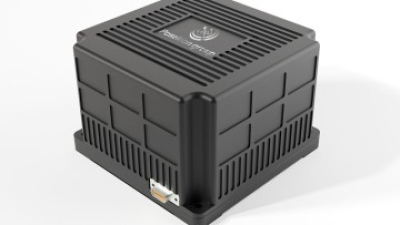
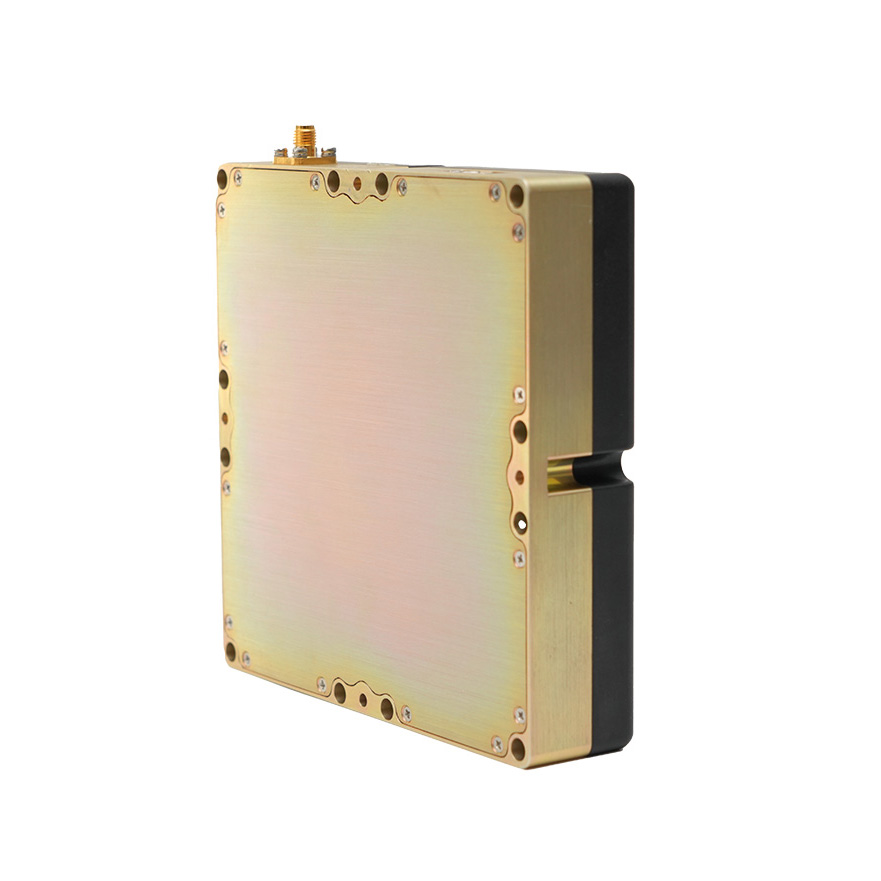
As the demand for precision in UAV navigation escalates, the introduction of high-performance inertial sensors like the Poseidon TBSD60 is a game-changer. This lightweight sensor incorporates advanced digital closed-loop technology, which not only enhances accuracy but also ensures unparalleled zero-bias stability ranging from 0.01°/h to 0.05°/h. Such low drift rates are crucial for the increasingly complex tasks UAVs undertake, providing the reliability required for critical applications ranging from agricultural monitoring to search and rescue operations.
The TBSD60’s compact design (112mm×112mm×77.5mm) makes it particularly advantageous for integration into various UAV systems that demand minimal weight without compromising performance. Its robust construction allows for rapid startup times and broad dynamic range functionality, making it resistant to the harsh conditions that often challenge aerial navigation. Reports indicate that the UAV navigation market is anticipated to grow at a CAGR of over 15% in the coming years, driven by the need for enhanced autonomous systems. In this context, sensors like the TBSD60 are elevating the standards for inertial navigation systems, providing crucial support in the ongoing evolution of autonomous vehicles.
Moreover, the sensor's exceptional resistance to vibration and shock significantly amplifies its utility in demanding environments. This characteristic is vital; according to a recent industry analysis, approximately 30% of UAV failures during operation are attributed to sensor inaccuracies induced by external disturbances. Thus, equipping UAVs with the TBSD60 not only mitigates these risks but also advances their capabilities in complex, real-world scenarios. The future of UAV navigation is indeed bright, with innovations like the Poseidon TBSD60 leading the charge toward unparalleled operational excellence and reliability.
FAQS
: Inertial navigation systems (INS) are navigation technology solutions that provide accurate and reliable guidance for positioning, especially in environments where GPS signals may be compromised. They are essential for enhancing operational efficiency across various sectors, including aerospace, automotive, and defense.
The demand for INS has increased significantly due to the growing need for precision and reliability in navigation technology across sectors such as financial services and defense, where modernization is crucial for maintaining a competitive edge.
Key innovations include the integration of Micro-Electro-Mechanical Systems (MEMS) and machine learning algorithms, which enhance accuracy and reduce size and costs. Advancements in components like accelerometers, gyroscopes, and magnetometers are also contributing to the development of high-precision INS solutions.
The inertial navigation systems market size in the United States is projected to reach USD 12 billion by 2027, expanding at a compound annual growth rate (CAGR) of 8% during the forecast period.
Advanced INS are revolutionizing industries such as aerospace, maritime, and autonomous vehicles by providing accurate navigation capabilities in challenging environments, enhancing operational efficiency and safety.
Companies in sectors like finance and defense are dealing with limitations of outdated navigation infrastructure, which hampers agility and innovation, making modernization essential.
Chinese companies are focusing on building comprehensive value chains that include research, manufacturing, and service, which boosts their competitive advantage and emphasizes the potential of advanced INS technologies in the global market.
The COVID-19 pandemic has underscored the necessity for robust navigation systems capable of operating in challenging environments, further driving the demand for INS.
Applications requiring reliable navigation capabilities, such as autonomous vehicles, are particularly important as they enable safe operation and efficient data processing for advanced driving technologies.
Companies like Poseidon International Group are at the forefront of the transformation towards modern INS, emphasizing technologies like fiber optic gyroscopes and autonomous systems that provide more reliable and precise navigation tools.
Conclusion
Inertial Navigation Systems have come a long way over the years, moving from older, traditional methods to some seriously cool, modern tech. Take fiber optic gyroscopes (FOGs), for example — they're at the forefront these days, making navigation way more accurate and reliable than ever before. As more industries really need precise navigation, it’s exciting to see AI and machine learning starting to play a bigger role. These technologies are making systems smarter, capable of adjusting in real-time, and boosting overall efficiency.
Of course, there are still hurdles to clear. Ongoing research and development are essential to tackle these challenges. Looking ahead, I think we're going to see more hybrid solutions that combine inertial systems with other navigation methods — kind of blending the best of both worlds to handle all these complex modern environments. From self-driving cars to space exploration, advanced inertial navigation is already making a huge impact. It’s clear that Poseidon International Group is right in the thick of this exciting, fast-changing field.

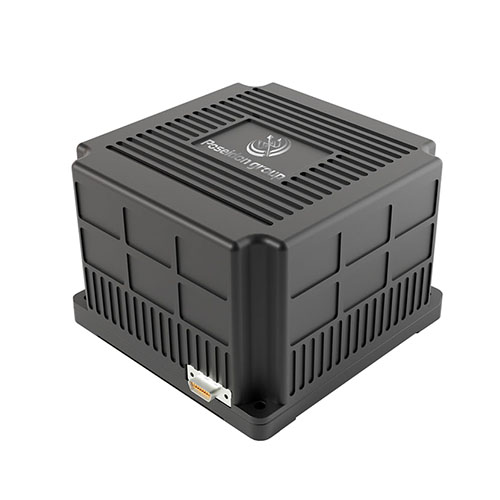 TBSD60
 BSD120
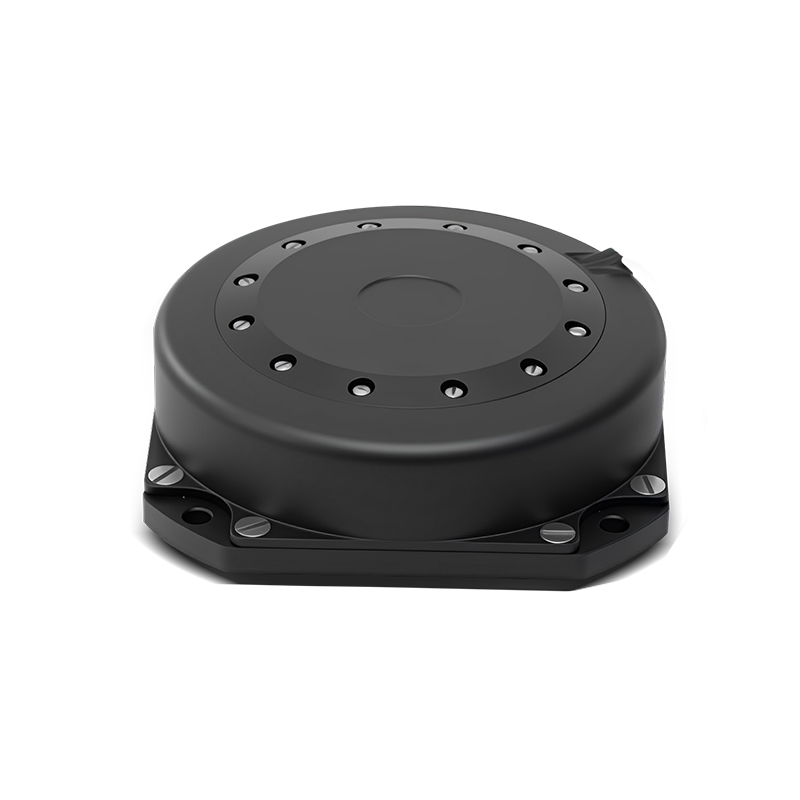 BSD98
BSD98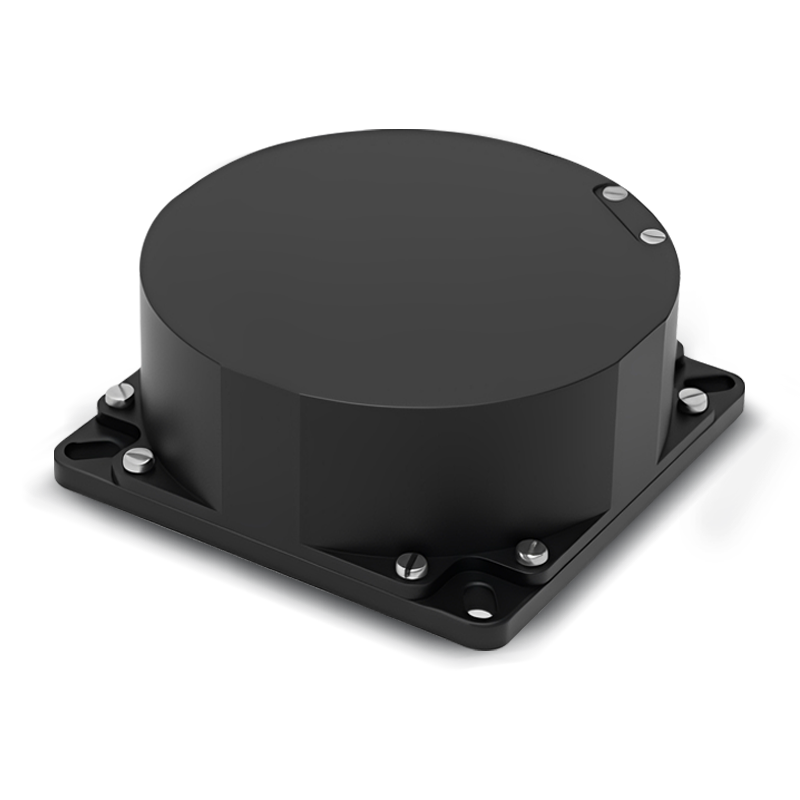 BSD70
BSD70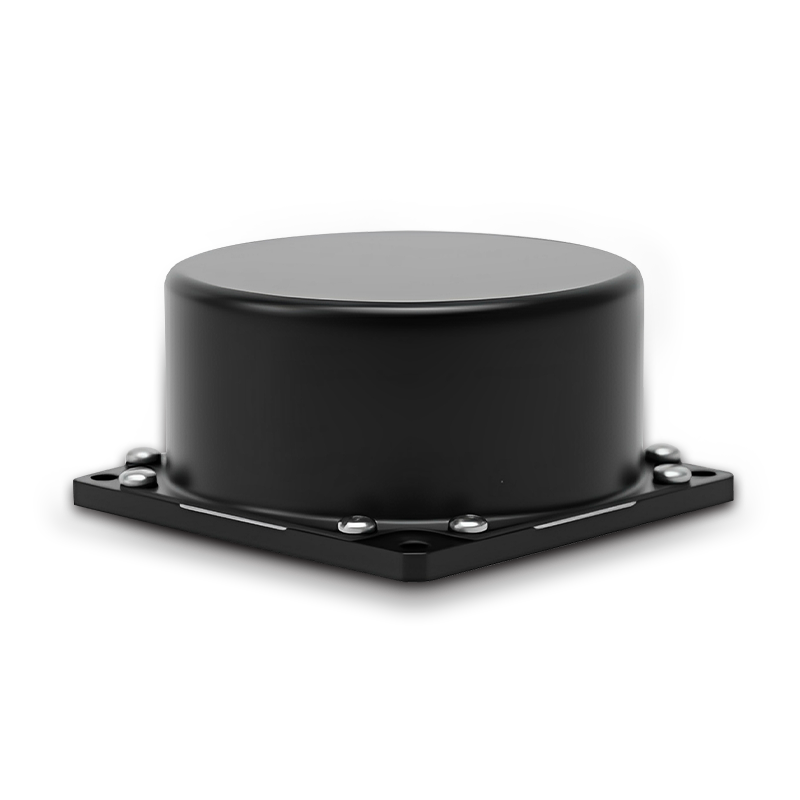 BSD60
BSD60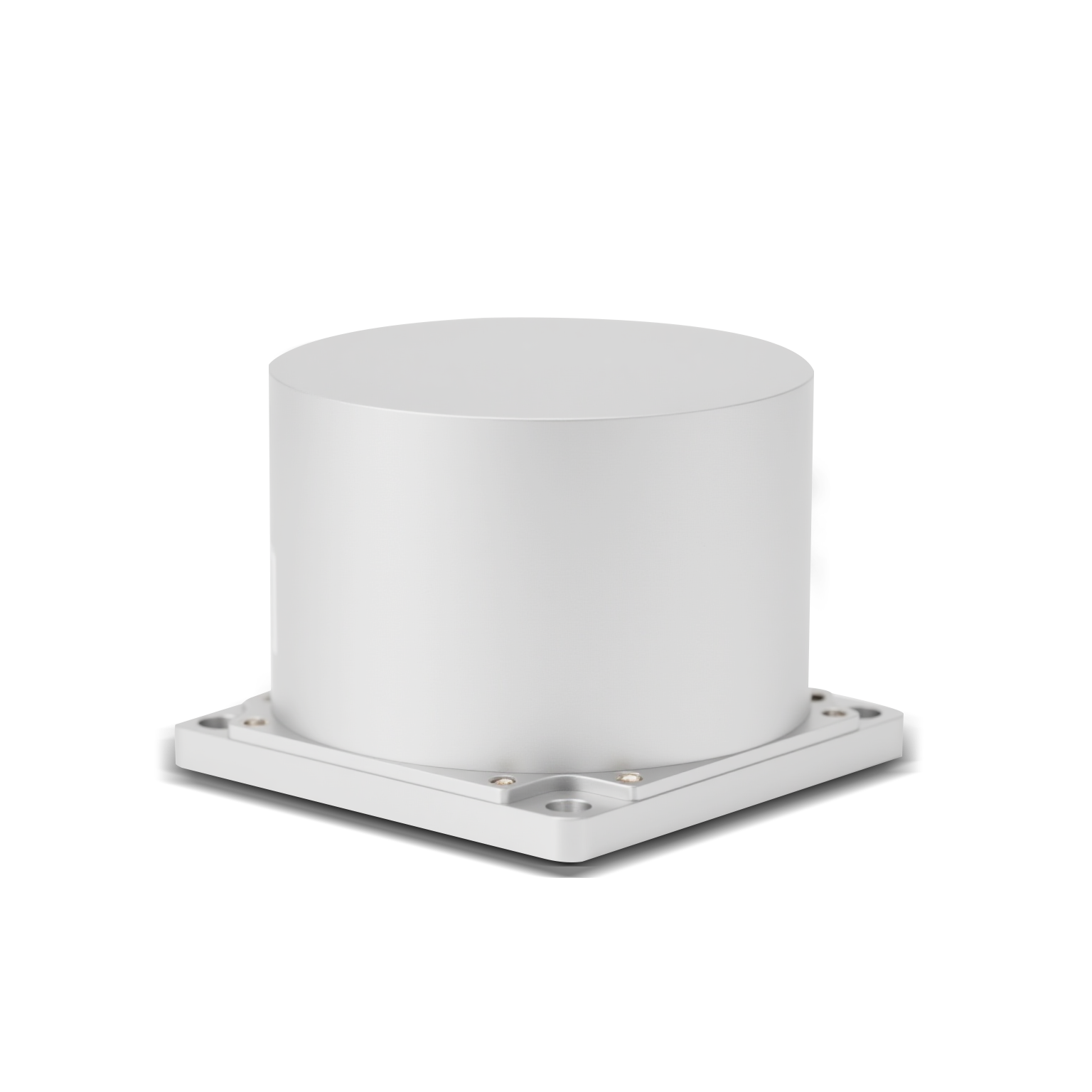 BSD50
BSD50 BSD217
 INS1700
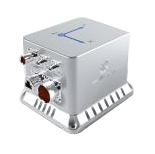 INS970
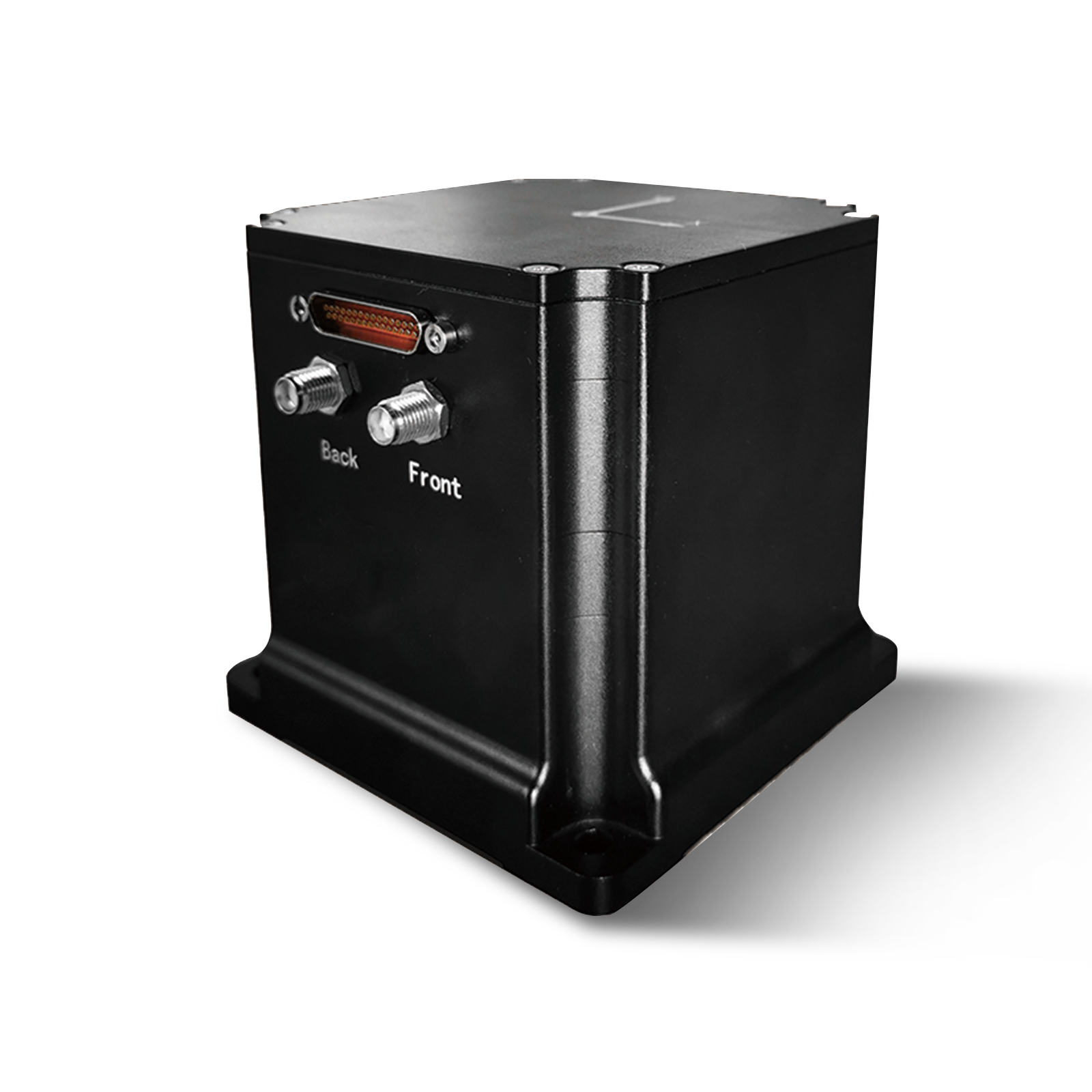 INS570
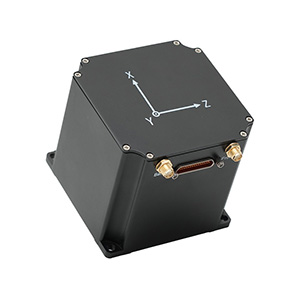 INS170
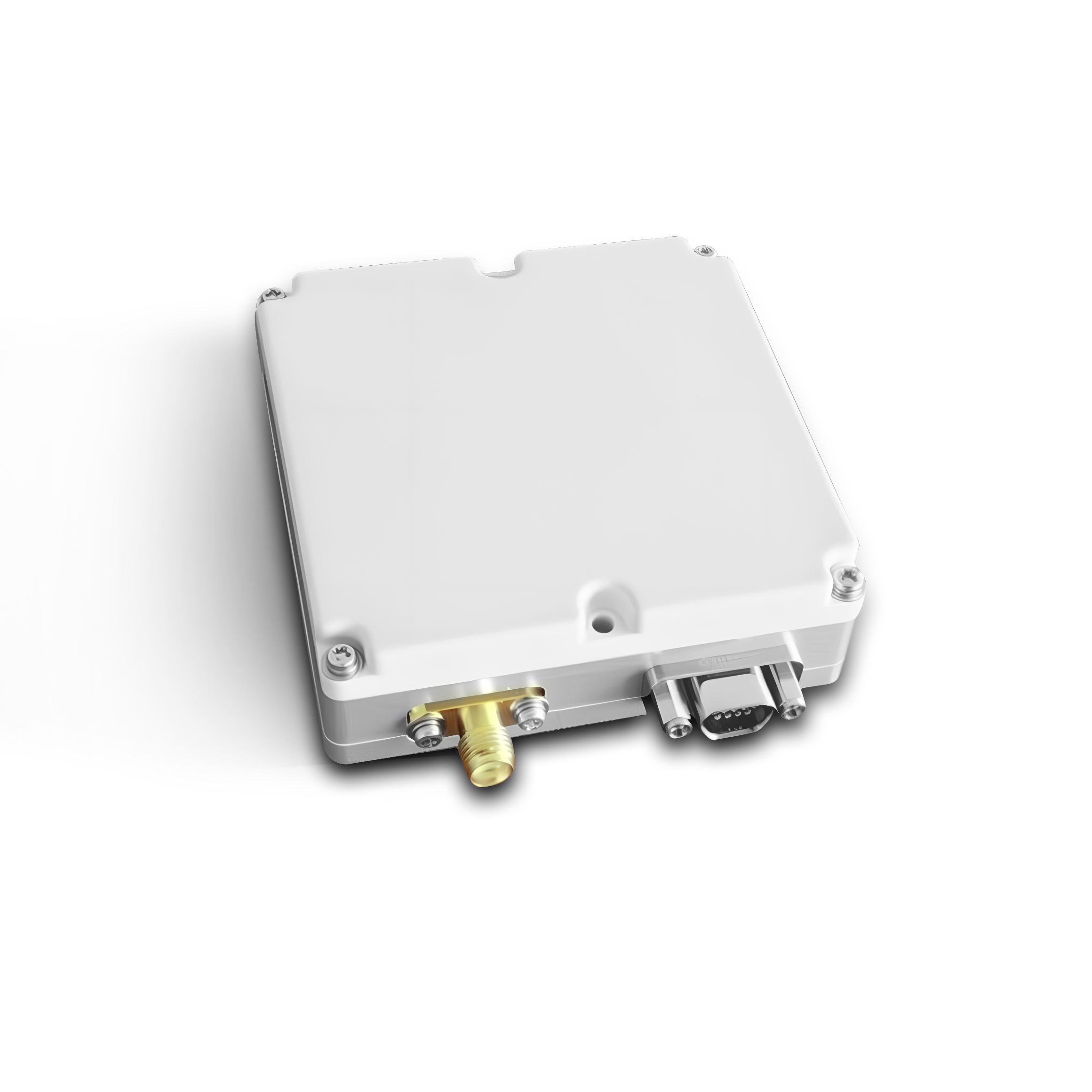 SLA-4B1L1-65
 SLA-4B1L1-130
 SLA-8B1L1-165
 DIVER 101
 DIVER 102
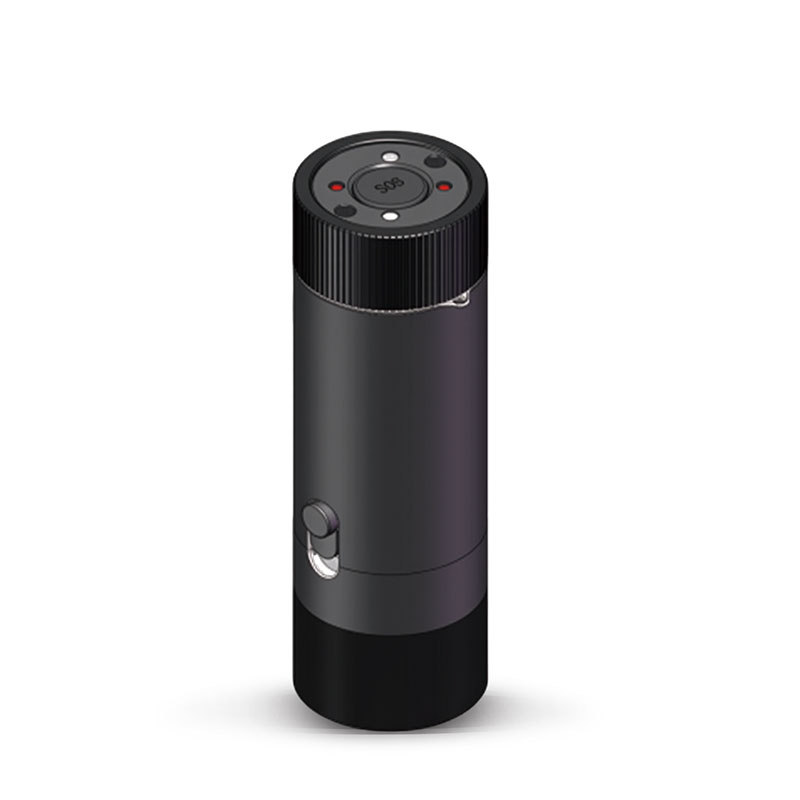 DIVER 103
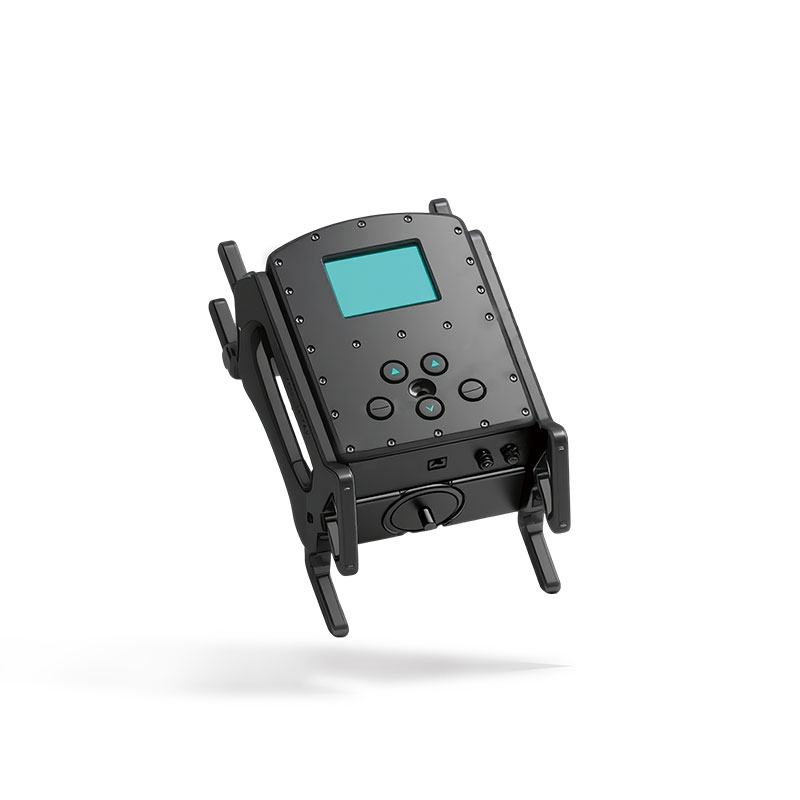 DIVER 104
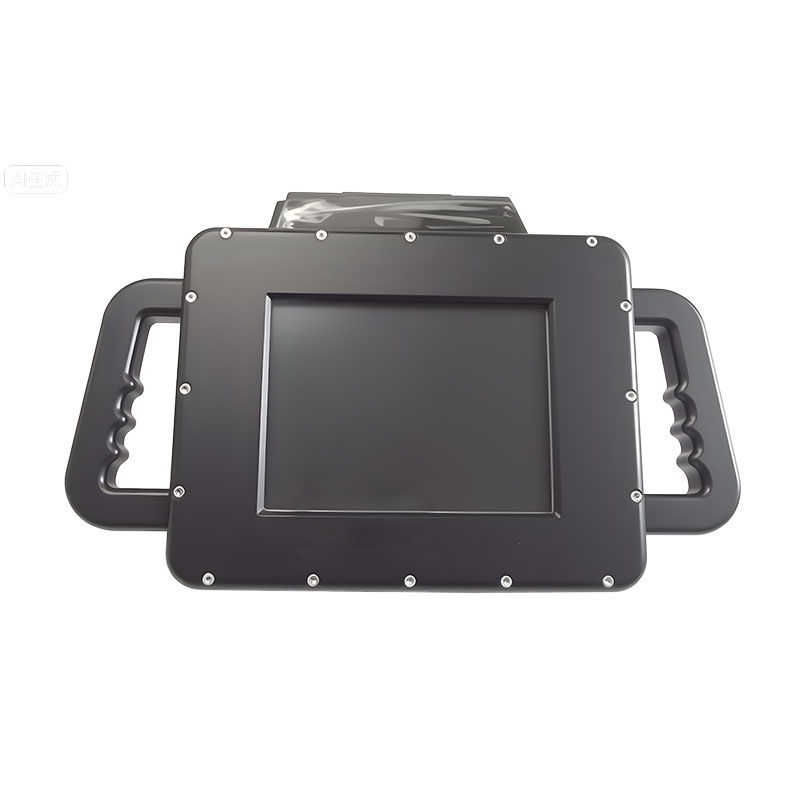 DIVER 105
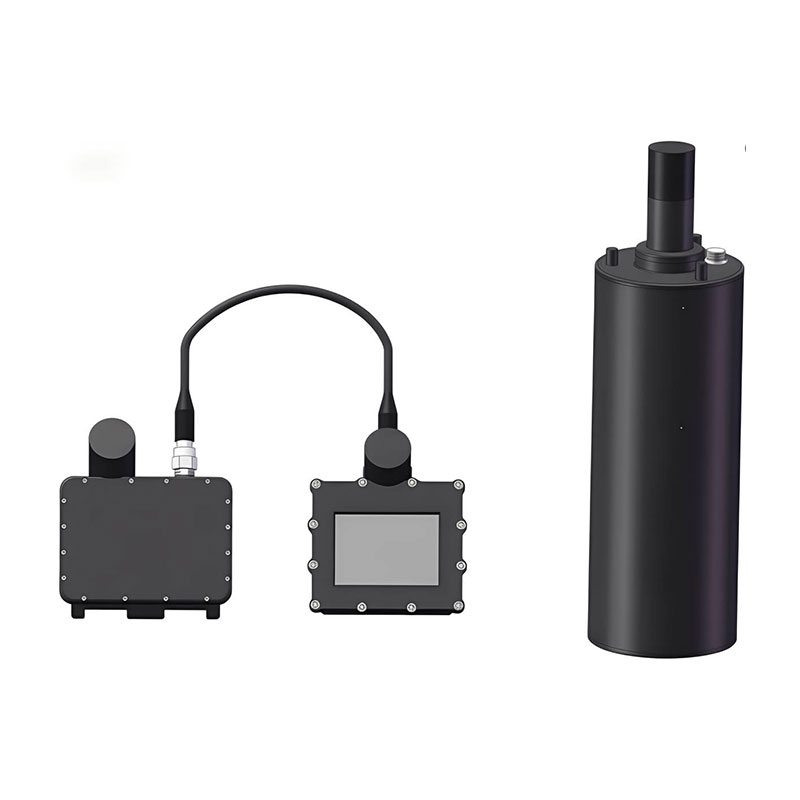 DIVER 106
 SLLR3000
 SLLR905
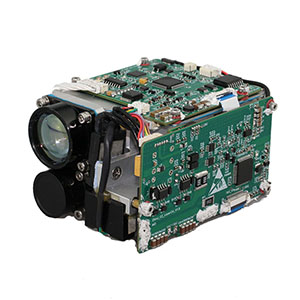 SLLD25
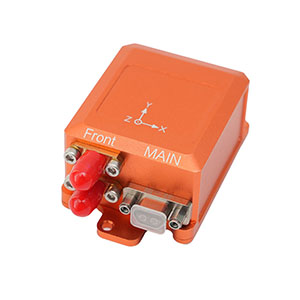 160M
160M 170M
170M SLFC-70
 SLAF280
 MR360
MR360