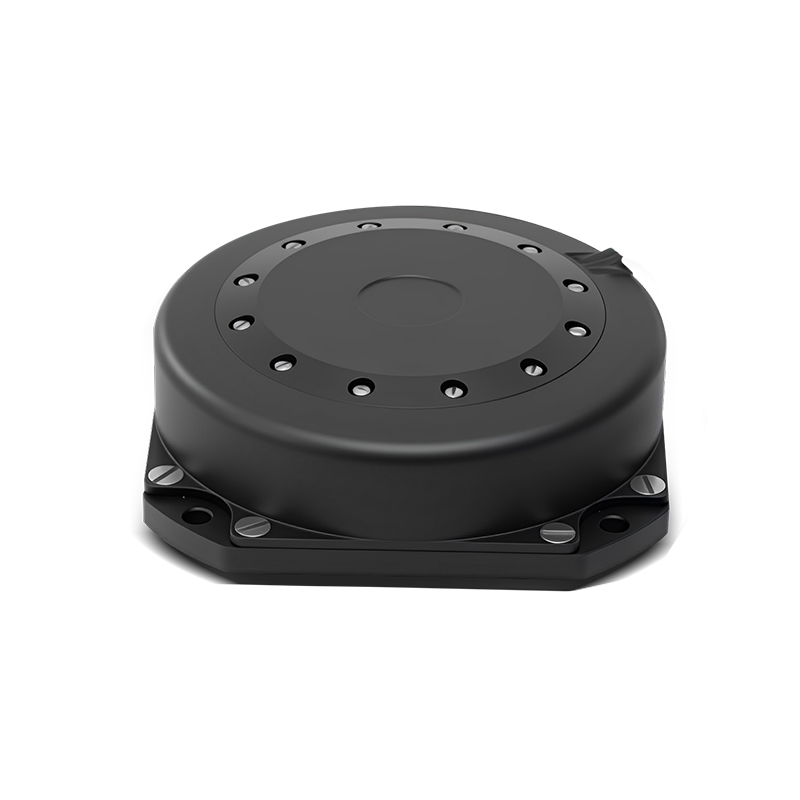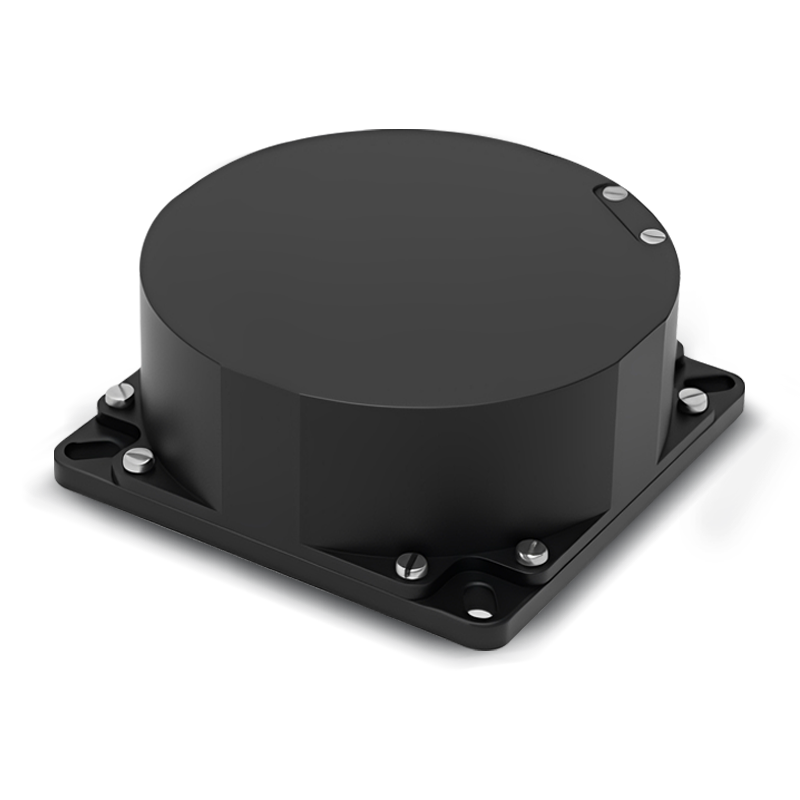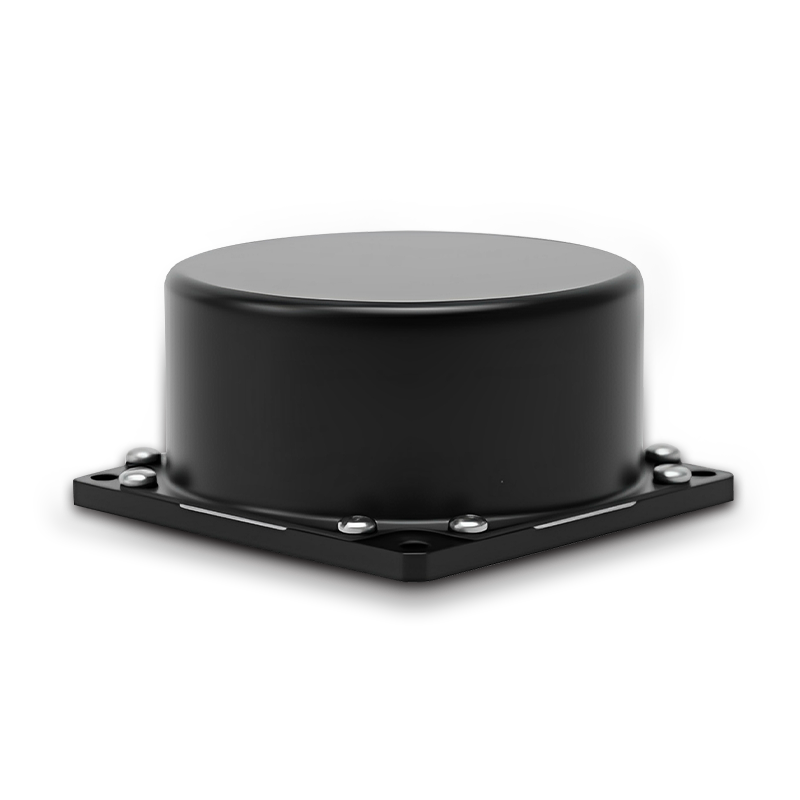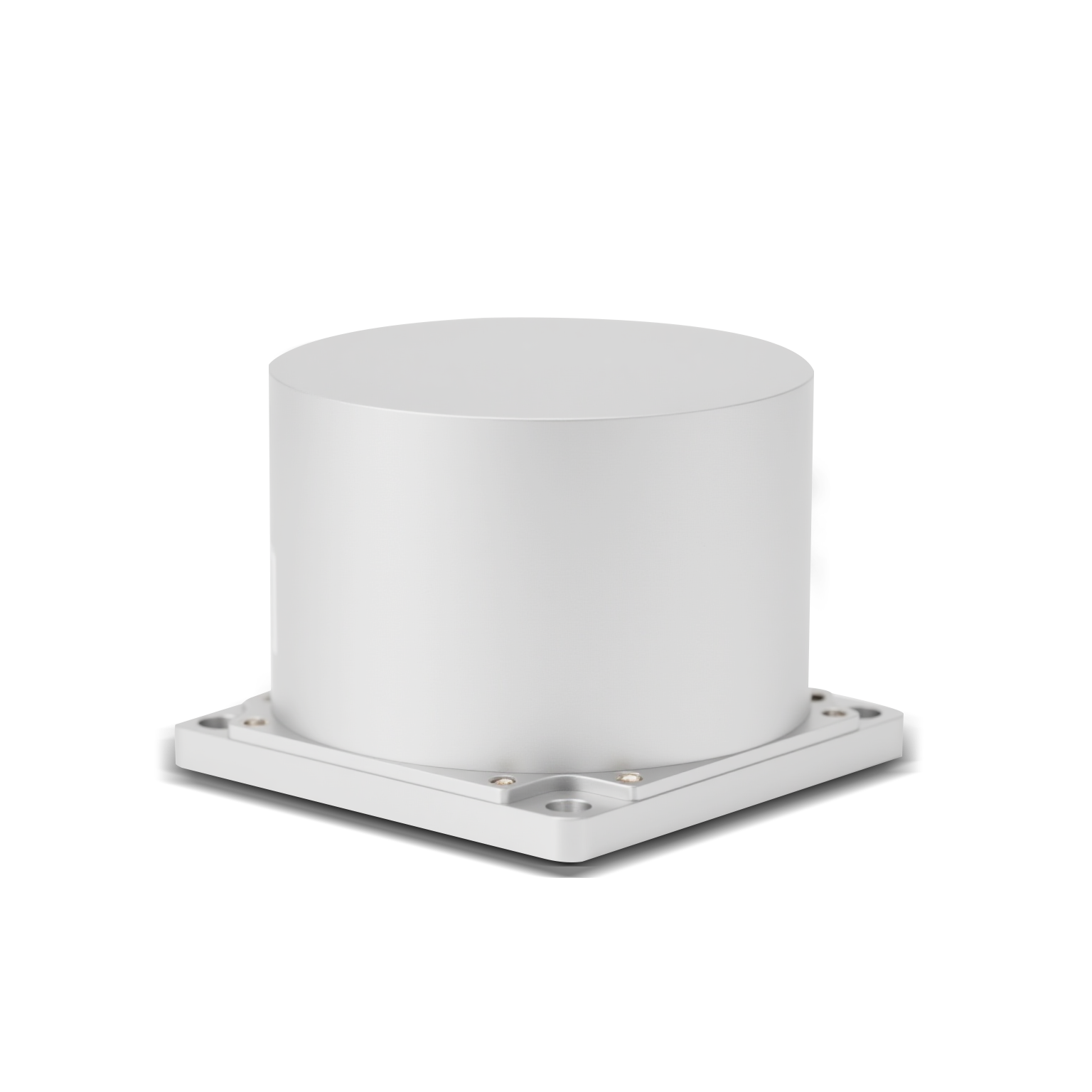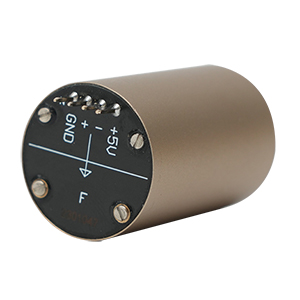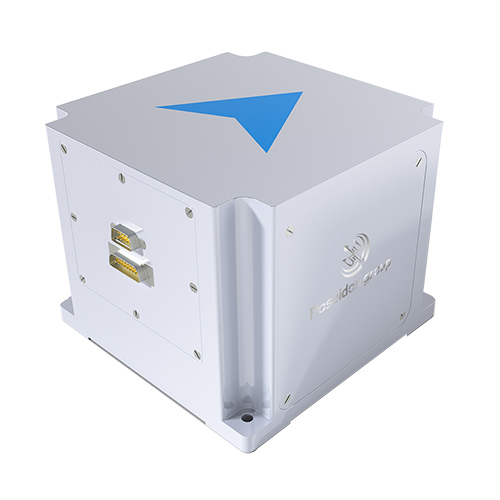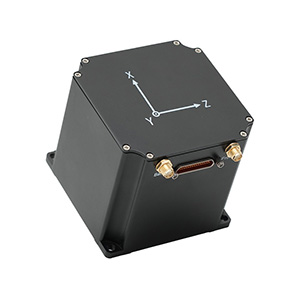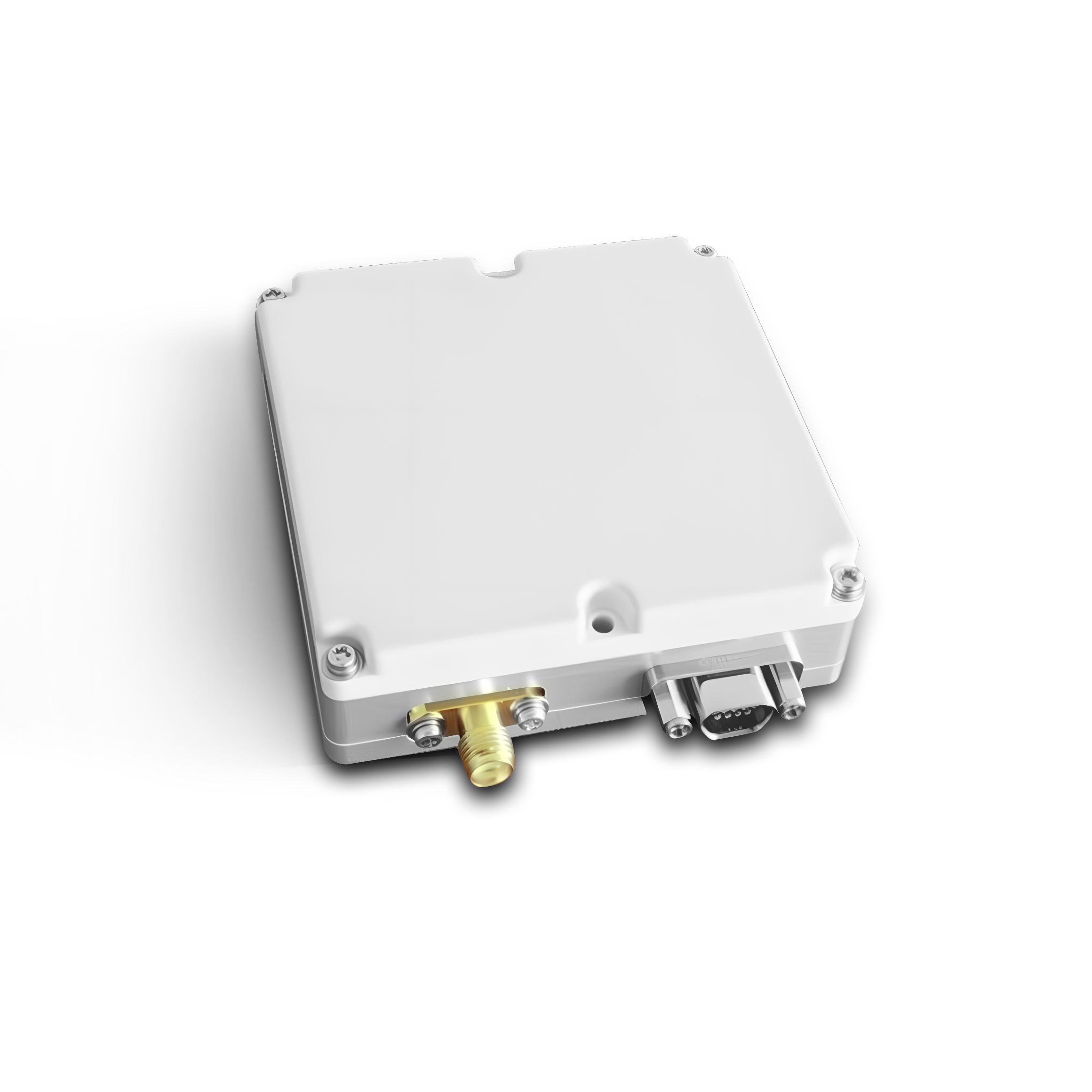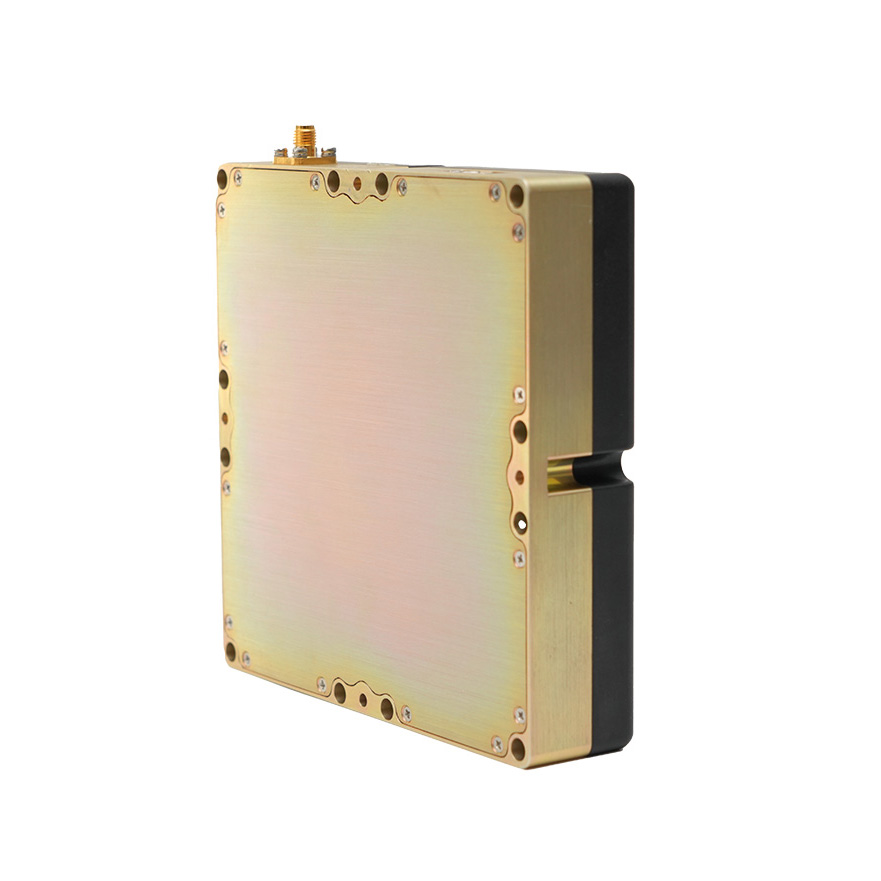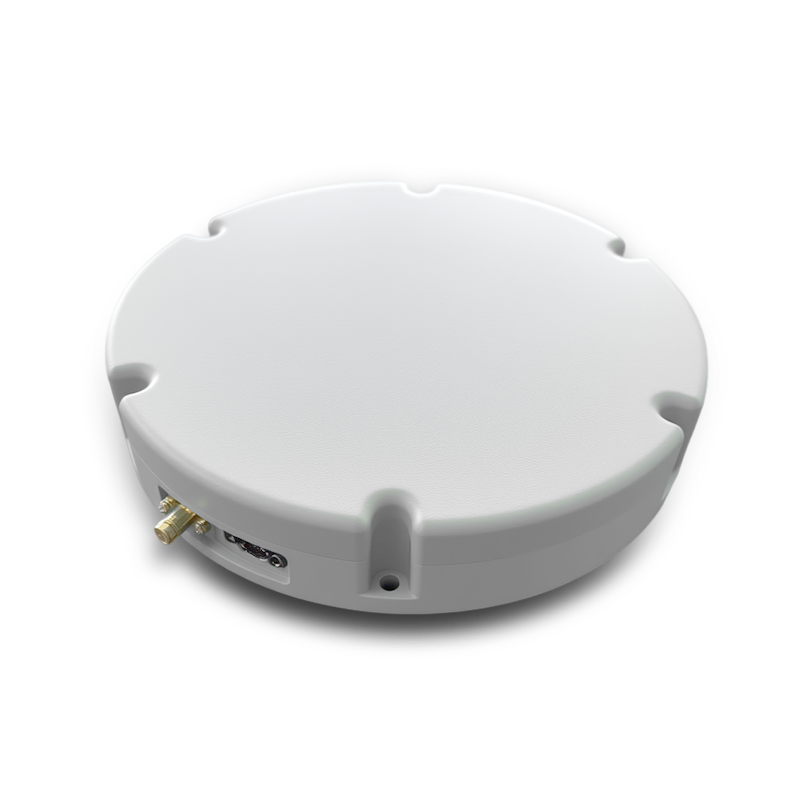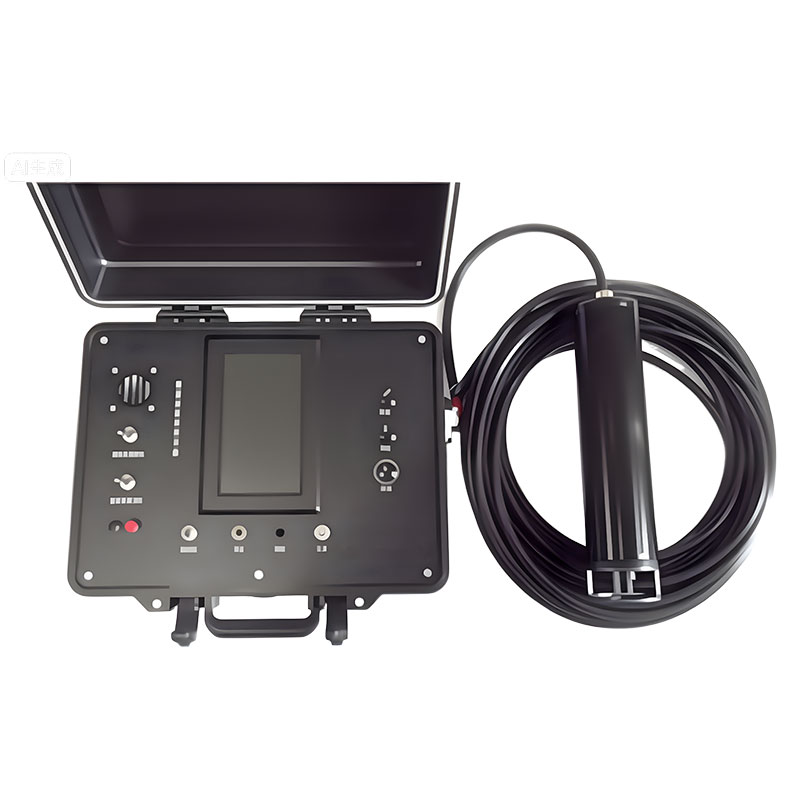
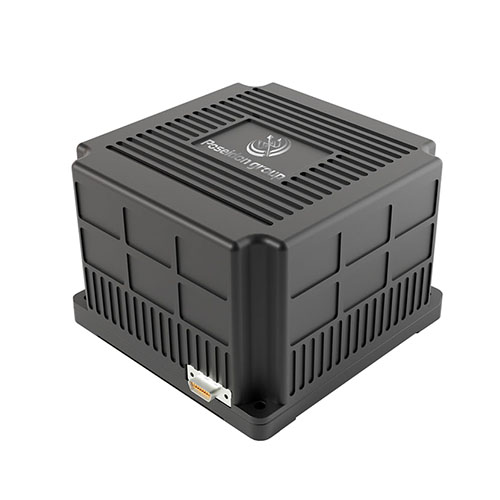
As we gear up for 2025, it’s pretty clear that advanced technologies like the Magnetometer Gyro Compass are about to shake things up in a bunch of industries. We’re talking serious improvements in navigation accuracy and operational efficiency. A recent market analysis suggests that the demand for precise navigation systems—especially gyroscopic ones—is expected to jump by over 10% year on year. This growth is being fueled by their increasing use in things like autonomous driving, aerospace, and maritime operations.

Now, let’s talk about Poseidon International Group (Hong Kong) Limited. Since kicking off in 2013, they’ve been leading the charge in this space, focusing on developing cutting-edge fiber optic gyroscopes and other advanced inertial navigation systems. With a strong commitment to innovation and a solid list of technical patents, Poseidon is really in a great spot to tap into the transformative potential of the Magnetometer Gyro Compass.
In this blog, we’ll dive into some of the top strategies for navigating the future with these cool technologies and chat about what they mean for industry trends.
You know, navigation technology is really changing fast these days! One of the big players in that shift is the advancement of magnetometer gyro compass systems. By 2025, I bet a lot of businesses will start to realize just how important after-sales services are for these technologies. Good after-sales support doesn't just make customers happy; it also helps keep the navigation solutions running smoothly and lasting longer. There's actually some reports floating around that say companies focused on strong after-sales services can bump up their customer retention by about 20%. That's pretty impressive, right? It’s all about building those long-term relationships and keeping the revenue flowing.
Looking at the industry lately, we've noticed a pretty interesting trend. Some long-established navigation firms are changing hands, and it really highlights a bigger shift happening in the market. Those companies with a century's worth of experience in maritime navigation are teaming up with fresh innovators to step up their game in service delivery. This kind of strategic evolution really underscores how crucial it is to have solid support systems once a purchase is made. Take Poseidon International Group, for example; they’re at the forefront of developing next-gen inertial navigation systems. By putting money into well-rounded after-sales frameworks, businesses can better handle the needs that come with advanced gyro compass technology. And that way, their clients can really stay ahead of the curve with all the latest industry trends and tech advancements.
So, let’s talk about those maintenance costs when it comes to magnetometer gyro compass technologies. It’s super important for industries that rely on precise navigation, you know? As we get closer to 2025, we’re gonna see a big spike in demand for these advanced systems. That’s why it’s crucial for businesses to look beyond just the initial investment and really grasp the ongoing maintenance costs involved. Things like regular calibration, replacing components, and keeping software up to date can add up faster than you might think, and that can really mess with operational budgets and project timelines.
**Quick tip:** If you want to keep those maintenance costs in check, a proactive maintenance schedule is the way to go. Regular inspections and timely replacements can help you dodge unexpected failures and actually extend the life of your gear.
And let’s not forget about the training for the folks operating those magnetometer gyro compass systems. Having knowledgeable staff on hand can help catch potential issues early on and make sure the tech is being used efficiently. This can really up the accuracy in navigation and save a ton of money that might otherwise go towards accidents or miscalculations.
**Another tip:** Consider investing in solid training programs for your operators. When your team knows their stuff, it's a win-win; they’ll not only get the most out of the technology but also help avoid those costly slip-ups during operations.
When you're on the hunt for the perfect magnetometer gyro compass for your industry, there are a few key things you really need to think about that can make a huge difference in performance and accuracy. According to a recent report from MarketsandMarkets, the global gyroscope market is set to grow from $3.2 billion in 2020 to a whopping $5.6 billion by 2025, with magnetometer-based technologies grabbing a big piece of that pie. This surge in demand for precise navigation in fields like aerospace, marine, and automotive really highlights how important it is to pick a reliable compass system that suits the unique needs of your operations.
Now, when you’re weighing your options, you’ve got to look closely at the sensitivity and drift in performance that different models bring to the table. A study from the Journal of Navigation points out that highly advanced magnetometer gyro compasses can keep their accuracy within just 0.5 degrees, which is super critical if you’re dealing with autonomous vehicles or precision-guided systems. Plus, don’t forget about how well these systems can work with your existing navigation setups—having that compatibility can really boost efficiency and help make better decisions in fast-paced industrial environments. So, keeping these insights in mind can really help you make smart choices that keep up with the ever-changing tech landscape and industry needs.
As we gear up for 2025, it’s pretty exciting to see how advancements in magnetometer gyro compass tech are going to shake things up in navigation across so many industries. You know, with high-precision sensors and smart algorithms coming into play, we’re looking at a game-changer in terms of accuracy. This means better navigation even in tough environments, which is a big deal! These technologies are primed to give real-time data, helping sectors like aviation, maritime, and land transport optimize their routes and boost safety, which we can all agree is super important.
On top of that, with everyone relying more on automation and autonomous systems these days, having top-notch navigation capabilities is crucial. The push for smart navigation systems that adapt to whatever conditions come their way is something we can’t overlook. Not only do these systems give operators better situational awareness, but they’re also paving the way towards fully autonomous navigation—something a lot of industries are really aiming for. As all these technologies keep evolving, they’re definitely going to shape industry trends in ways we couldn’t have even imagined before.
Keeping magnetometer gyro compass systems in good shape is super important for making sure we navigate and position ourselves reliably across a bunch of different industries. A big part of that is regular calibration—it’s really a best practice! This helps fix any drift that might pop up over time because of things like environmental changes or just normal wear and tear. Operators should totally aim to do these calibration checks following the manufacturer's tips, especially before heading out on any critical missions. And hey, using the right software tools can really amp up the calibration process. It allows for more accurate tweaks and keeps everything running smoothly.
Another biggie in maintenance is doing routine inspections and troubleshooting. Giving everything a once-over to check for physical wear and making sure the electronic parts are in tip-top shape can really save you from unexpected hiccups down the line. It’s a good idea for users to keep track of their maintenance activities and any adjustments made. This kind of record-keeping doesn’t just help later when things go sideways, but it’s also handy for tracking how the system performs over time. By putting these best practices into play, industries can really make the most of magnetometer gyro compass tech, leading to better efficiency and safety in navigation.
| Feature | Description | Industry Application | Maintenance Tips |
|---|---|---|---|
| Accuracy | High precision in providing navigational data. | Marine navigation, aviation, and surveying. | Regular calibration and sensor checks needed. |
| Durability | Robust construction for rough environments. | Offshore drilling, shipping, and construction. | Inspect housing for wear and tear, replace as necessary. |
| Integration | Compatible with various navigation systems. | Autonomous vehicles and intelligent transportation systems. | Ensure firmware and software updates are current. |
| Data Transmission | Real-time data sharing capabilities. | Search and rescue, scientific research. | Test data connections routinely to ensure reliability. |
| User Interface | Intuitive design for easy operation. | Training simulations, outdoor navigation. | Provide regular training and updates to users. |
You know, the navigation equipment market is really booming right now, and a lot of it has to do with some cool new tech, like magnetometer gyro compasses. I recently saw an industry report from Research and Markets that says this global market could hit a whopping $70 billion by 2025, growing at about 6.5% each year. That’s no small potatoes! Because of this intense competition, customer support has become super important for manufacturers who are trying to stand out from the crowd.
When companies think about customer support, they’re really honing in on making things more efficient and keeping users happy. A study by MarketsandMarkets even found that 72% of customers see ongoing tech support as a key part of their buying choice. This just goes to show how crucial it is for manufacturers to offer solid services after the sale—think quick response times, thorough training, and easy-to-find online resources. By putting some cash into these areas, companies can build great relationships with their customers, ensuring that their navigation systems get used to their full potential, and setting themselves up for long-term success. Pretty interesting stuff, right?
: Understanding maintenance costs is essential as it helps businesses comprehend ongoing expenses that can impact their operational budgets and project timelines, alongside the initial investment.
Businesses should implement a proactive maintenance schedule, including regular inspections and timely component replacements, to prevent unexpected failures and extend the equipment’s lifespan.
Ongoing training for personnel is vital as knowledgeable staff can identify potential issues early and ensure the technology is used efficiently, leading to improved navigation accuracy and reduced costs from accidents.
Key factors include sensitivity, drift performance, and integration capabilities with existing systems, which are crucial for operational efficiency and meeting specific industry requirements.
Advanced magnetometer gyro compasses can maintain an accuracy within 0.5 degrees, which is particularly important for applications in autonomous vehicles and precision-guided systems.
Best practices include regular calibration checks, routine inspections, troubleshooting, and maintaining clear records of maintenance activities to enhance overall system performance and reliability.
Calibration checks should be performed according to the manufacturer's guidelines and ideally before any critical missions to ensure optimal performance.
Record-keeping helps in future troubleshooting and tracking system performance over time, aiding in the effective management of maintenance activities.
Integration capabilities with existing navigation systems can dramatically enhance decision-making processes and operational efficiency in dynamic industrial environments.